What is Matcha? Matcha is more than just green tea. It is a fine, bright green powder made from special tea leaves. People enjoy it for its unique taste, health benefits, and calming effect.
But here’s the truth: matcha does not dissolve like instant coffee. You need to whisk it the right way. Otherwise, you get clumps, no foam, and a flat taste.
That’s where the matcha whisk comes in. Known as chasen in Japanese, this simple tool makes a big difference. It blends the powder smoothly and creates a frothy layer on top.
In this guide, we’ll explore the best matcha whisks you can buy. We’ll also cover how to use them, how to choose the right one, and why they matter.
Whether you are a beginner or a tea lover, this post will help you find the perfect whisk for your daily matcha ritual.
Table of Contents
What is a Matcha Whisk?
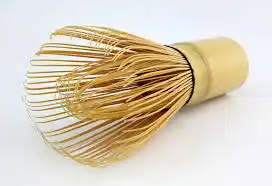
A matcha whisk, or chasen, is a small tool made to prepare matcha tea. Traditionally, it is crafted from a single piece of bamboo. The bamboo is carved into thin prongs that fan out like a flower.
When you whisk matcha with it, the prongs break up clumps and add air. The result? A smooth, creamy cup of tea with a foamy top.
There are different types of whisks. Some have 80 prongs for a light foam. Others have 100 or 120 prongs for a richer froth. The type you choose depends on your taste.
Today, you’ll also find electric matcha frothers and metal whisks. They are modern alternatives, but many tea lovers still prefer bamboo for its tradition and authenticity.
Types of Matcha Whisks
Not all matcha whisks are the same. Each type has its own design, purpose, and results. Let’s look at the most common ones.
1. Bamboo Matcha Whisk (Chasen)
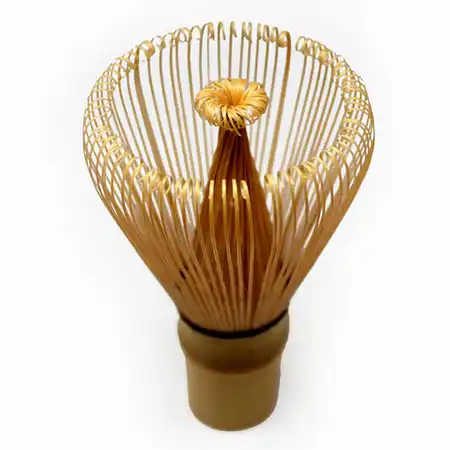
This is the traditional Japanese whisk. It is handmade from bamboo and carved into thin prongs.
- 80 prongs → light foam, best for thin tea (usucha).
- 100 prongs → balanced froth, good for daily use.
- 120 prongs → rich froth, great for thick tea (koicha).
Pros: Authentic, natural, gives the best foam.
Cons: Needs care, not dishwasher safe, wears out after months of use.
2. Electric Matcha Whisk (Frother)
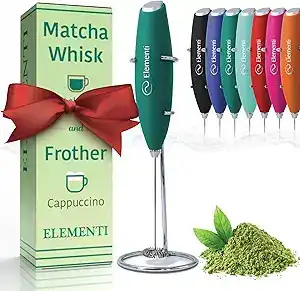
These are small battery-powered tools, similar to milk frothers. They spin quickly and make frothy tea in seconds.
Pros: Fast, easy to use, no skill needed.
Cons: Less traditional, sometimes creates large bubbles instead of fine foam.
3. Stainless Steel Matcha Whisk
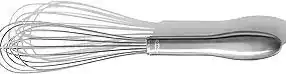
Some people prefer a modern whisk made of stainless steel. It works like a mini kitchen whisk.
Pros: Durable, easy to clean, dishwasher safe.
Cons: Not authentic, doesn’t create the same fine froth as bamboo.
4. Plastic Matcha Whisk
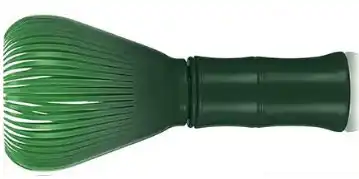
Budget-friendly and lightweight. But not recommended for serious tea drinkers.
Pros: Cheap, easy to find.
Cons: Breaks easily, not eco-friendly, poor froth quality.
Quick Recap:
- Bamboo whisk = best for authentic matcha.
- Electric whisk = best for speed.
- Stainless steel whisk = durable and modern.
- Plastic whisk = only for beginners on a tight budget.
How to Choose the Best Matcha Whisk?
Picking the right whisk makes your matcha routine easier and more enjoyable. Here are the main things to look at before you buy.
1. Material
- Bamboo → Traditional, eco-friendly, and authentic. Best for rich froth.
- Stainless steel → Strong and long-lasting, but not as fine in foam.
- Plastic → Cheap, but breaks fast and not great for quality matcha.
👉 If you want the real Japanese tea experience, always go with bamboo.
2. Number of Prongs
The number of prongs decides how much foam you get.
- 80 prongs → Light froth, better for thin tea.
- 100 prongs → Balanced, works well for daily drinking.
- 120 prongs → Rich froth, best for thick matcha.
👉 Beginners should start with 100 prongs.
3. Durability
- Bamboo whisks can wear out after a few months, but they are easy to replace.
- Stainless steel lasts longer but sacrifices tradition.
👉 If you drink matcha daily, expect to change your bamboo whisk every 3–6 months.
4. Ease of Cleaning
- Bamboo → needs gentle rinsing by hand, no soap.
- Stainless steel → dishwasher safe, low maintenance.
- Electric → just rinse the whisking head.
👉 If you don’t want extra care, stainless steel or electric is easier.
5. Price
- Bamboo → $10 to $25
- Stainless steel → $8 to $20
- Electric → $12 to $30
👉 You don’t need the most expensive whisk. Even a simple bamboo whisk works well if used correctly.
Quick Tip: For most people, the best choice is a 100-prong bamboo whisk. It gives smooth matcha, looks authentic, and is not too hard to use.
Best Matcha Whisks in 2025 (Top 5 Picks with Reviews for USA)
Here are my top picks you can find easily in the United States. Each option fits a different need, whether you want traditional, fast, or budget-friendly.
1. Best Overall — BambooWorx Traditional Matcha Whisk Set
This is one of the most popular bamboo whisk sets on Amazon. It includes a 100-prong whisk, scoop, and spoon.
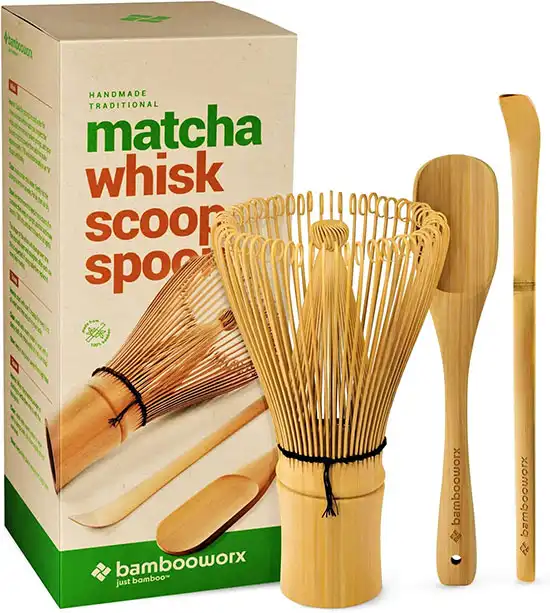
Why it’s great:
- Made from natural bamboo.
- Comes as a full starter kit.
- Affordable price under $20.
Pros: Authentic, great starter kit, easy to buy on Amazon.
Cons: Needs hand cleaning, whisk wears out in 3–6 months.
👉 Best for beginners who want a traditional experience.
2. Best Premium Bamboo Whisk — Artcome Japanese Matcha Whisk Set
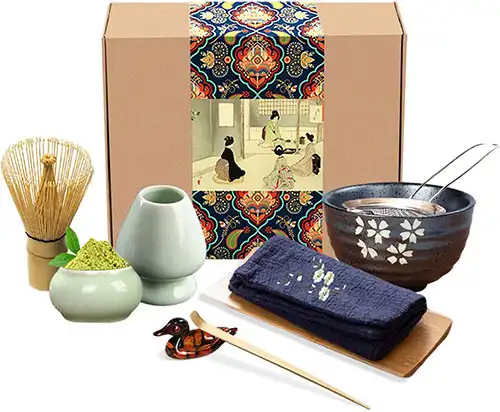
Handcrafted bamboo whisk with 100 prongs. Comes with a ceramic holder that helps keep the whisk in shape.
Why it’s great:
- Ceramic holder extends whisk life.
- High-quality bamboo craftsmanship.
- Perfect for serious matcha lovers.
Pros: Premium feel, holder included, smooth froth.
Cons: Slightly higher price ($20–25).
👉 Best for tea lovers who want durability and quality.
3. Best Electric Whisk — MatchaDNA Electric Frother
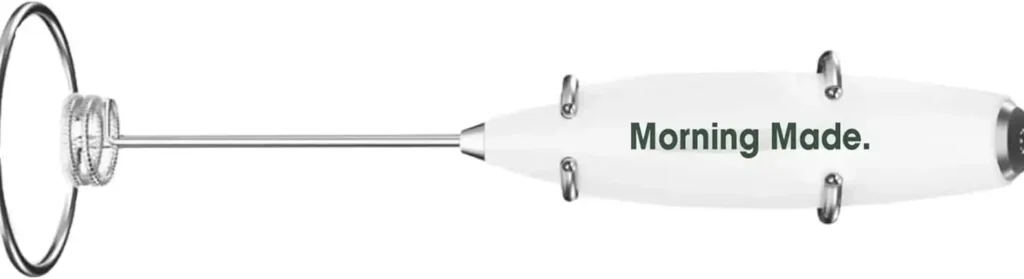
This is a compact handheld frother designed for matcha and lattes.
Why it’s great:
- Portable and easy to use.
- Creates froth in seconds.
- Works for both hot and iced matcha.
Pros: Fast, convenient, great foam.
Cons: Less traditional, runs on batteries.
👉 Best for people who want speed and simplicity.
4. Best Budget — TEANAGOO Bamboo Matcha Whisk
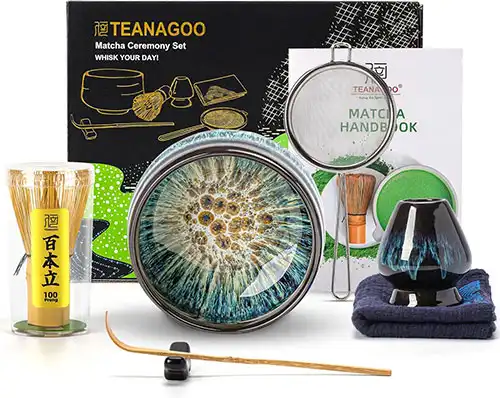
Simple and affordable whisk for under $10.
Why it’s great:
- Handcrafted bamboo, eco-friendly.
- Affordable entry-level choice.
- Great for testing matcha making at home.
Pros: Cheap, works well, natural material.
Cons: No extras like scoop or holder.
👉 Best for budget-conscious beginners.
5. Best Stainless Steel Option — Zulay Kitchen Milk & Matcha Frother
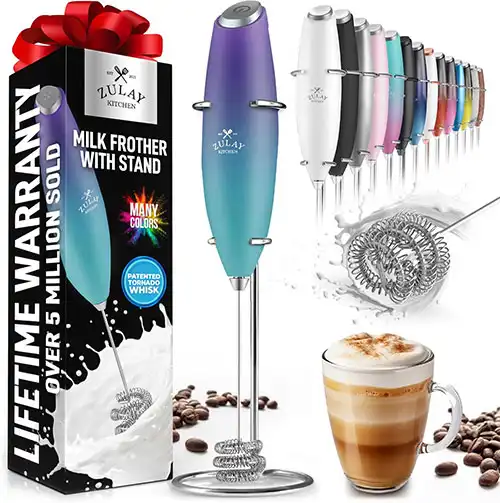
Not bamboo, but very popular in the US for matcha lattes.
Why it’s great:
- Sturdy stainless steel design.
- Easy to clean and maintain.
- Works for milk froth and matcha.
Pros: Durable, dishwasher safe, versatile.
Cons: Not traditional, makes slightly bigger bubbles.
👉 Best for people who prefer durability over tradition.
Quick Comparison
| Whisk | Type | Price (Amazon) | Best For |
|---|---|---|---|
| BambooWorx Set | Bamboo | Check Price | Beginners, authentic feel |
| Artcome Premium | Bamboo + holder | Check Price | Tea lovers, durability |
| MatchaDNA Frother | Electric | Check Price | Speed, convenience |
| TEANAGOO Bamboo | Bamboo | Check Price | Budget-friendly choice |
| Zulay Frother | Stainless Steel | Check Price | Long-lasting, versatile use |
Benefits of Using a Good Matcha Whisk
A good whisk makes all the difference when preparing matcha. It’s not just about mixing powder and water. It’s about creating the right texture, flavor, and experience. Here are the main benefits.
1. Smooth and Lump-Free Tea
Matcha powder is very fine. Without a whisk, it clumps easily. A bamboo whisk (chasen) breaks up the clumps and blends the powder evenly. The result is a smooth, creamy drink.
2. Rich, Frothy Layer
The froth on top of matcha is part of the traditional experience. A good whisk adds air while mixing, creating a fine foam. This layer makes the tea taste lighter and more refreshing.
3. Authentic Japanese Experience
Matcha has deep cultural roots in Japan. Using a bamboo whisk connects you to that tradition. It feels authentic and adds a calming ritual to your tea time.
4. Better Flavor
When matcha is whisked well, the flavor improves. It tastes less bitter, more balanced, and more enjoyable. A poorly mixed tea often tastes flat or harsh.
5. Easy to Use
A whisk is simple. No complicated buttons, no big machines. Just dip, whisk, and enjoy. Even an electric frother is fast and effortless.
6. Versatility
Some electric whisks and stainless options work for other drinks too. You can use them for lattes, cappuccinos, or even protein shakes.
Quick Recap:
- A whisk makes matcha smooth, foamy, and flavorful.
- It connects you to the authentic Japanese tradition.
- It’s simple to use and adds value to your daily tea ritual.
How to Use a Matcha Whisk Properly?
Making matcha with a whisk is simple, but there’s a right way to do it. Follow these steps for the perfect cup every time.
Step 1: Prepare Your Tools
You’ll need:
- A bamboo whisk (chasen) or electric frother.
- A matcha bowl (chawan) or any wide cup.
- A bamboo scoop (chashaku) or teaspoon.
- Fine matcha powder.
- Hot water (around 175°F / 80°C, not boiling).
Step 2: Warm the Whisk
- Dip your bamboo whisk in warm water for 20–30 seconds.
- This softens the prongs and prevents breakage.
Step 3: Sift the Matcha
- Use a small sifter to remove clumps from the powder.
- This ensures a smooth blend.
Step 4: Add Powder and Water
- Place 1–2 scoops (about 1 tsp) of matcha powder into the bowl.
- Add 2–3 oz of hot water (not boiling).
Step 5: Whisk in a “W” or “M” Motion
Hold the whisk upright and move it quickly in a zig-zag pattern shaped like a “W” or “M.”
- Don’t stir in circles.
- Whisk fast until a fine froth forms on top.
Step 6: Serve and Enjoy
- Once the foam is ready, your matcha is complete.
- You can drink it as is or add more water or milk for a latte.
Extra Tips for Perfect Matcha
- Always use non-boiling water (too hot water makes it bitter).
- Whisk with the wrist, not the arm — this keeps it light and fast.
- Rinse the whisk right after use to avoid stains.
- For thicker tea (koicha), use more powder and whisk slowly.
Quick Recap:
- Soak → sift → whisk in W motion → enjoy.
- The right motion gives smooth, foamy, delicious matcha.
Common Mistakes to Avoid When Using a Matcha Whisk
Even with a good whisk, small mistakes can ruin your matcha. Avoid these errors to get the best results every time.
1. Using Boiling Water
Boiling water burns matcha and makes it bitter.
👉 Always use water around 175°F / 80°C. Let it cool for a minute after boiling before pouring.
2. Stirring in Circles
Many beginners stir in circles, like with soup. This doesn’t create froth.
👉 Instead, whisk in a fast “W” or “M” motion. It adds air and makes a smooth foam.
3. Skipping the Sifter
Matcha powder clumps easily. If you don’t sift, your tea will be lumpy.
👉 Always sift the powder before adding water.
4. Not Soaking the Bamboo Whisk
Dry bamboo prongs can crack or break.
👉 Dip your whisk in warm water for 20–30 seconds before use.
5. Whisking Too Slowly
Slow whisking won’t create the desired froth.
👉 Whisk quickly with your wrist for 15–20 seconds.
6. Using Too Much Powder
Too much matcha can make the tea strong and unpleasant.
👉 Start with 1 teaspoon per cup, then adjust to taste.
7. Poor Cleaning Habits
Leaving matcha on the whisk can stain and damage it.
👉 Rinse gently with warm water after each use. Never use soap.
Quick Recap:
- Use warm water, not boiling.
- Whisk in a W motion, not circles.
- Sift, soak, whisk fast, and clean after use.
Caring for Your Matcha Whisk
A good matcha whisk can last months if you take care of it. Proper care preserves its shape, prongs, and overall quality.
1. Rinse Immediately After Use
- After making matcha, rinse the whisk under warm water.
- Shake off excess water.
- Never use soap — it can damage the bamboo and leave a taste.
2. Dry Properly
- Let the whisk air-dry.
- Place it on a whisk holder (kusenaoshi) if you have one.
- This keeps the prongs straight and prevents warping.
3. Store in a Cool, Dry Place
- Avoid humid areas like near the sink.
- Keep the whisk away from direct sunlight.
- Humidity can make bamboo bend or grow mold.
4. Soak Before Use
- Soaking the whisk in warm water before each use softens the prongs.
- This prevents breakage and ensures smooth whisking.
5. Replace When Needed
- Bamboo whisks usually last 3–6 months with regular use.
- If prongs start splitting or bending permanently, it’s time to replace.
6. Avoid Rough Handling
- Don’t press too hard on the whisk.
- Gentle whisking preserves its shape.
Quick Recap:
- Rinse → air-dry → store properly → soak before use → replace when worn.
- Proper care extends your whisk’s life and keeps your matcha tasting perfect.
Alternatives to a Matcha Whisk
Not everyone has a bamboo whisk or wants the traditional experience. Luckily, there are a few alternatives that still make good matcha.
1. Electric Frother
- Small handheld devices that spin rapidly to froth matcha.
- Fast and easy.
- Great for busy mornings or iced matcha drinks.
Pros: Quick, simple, minimal effort.
Cons: Less traditional, foam may be less fine.
2. Milk Frother or Mini Blender
- You can use a milk frother or a small blender to mix matcha powder and water.
- Works well if you like lattes or smoothies.
Pros: Creates froth and blends evenly.
Cons: More cleanup, not ideal for traditional matcha servings.
3. Spoon or Fork
- In emergencies, you can whisk with a fork or spoon.
- Works for a quick, single cup.
Pros: No extra tools needed.
Cons: Won’t create fine foam, clumps may remain.
4. Matcha Shaker Bottle
- Some pre-made matcha bottles or shaker bottles come with a small whisk inside.
- Useful for on-the-go matcha drinks.
Pros: Portable, convenient.
Cons: Limited froth, less authentic taste.
Quick Recap:
- Best alternative: Electric frother for speed.
- Good for lattes/smoothies: Mini blender.
- Emergency: Spoon/fork or shaker bottle.
These alternatives are handy but bamboo whisk is still ideal for authentic matcha.
Final Verdict: Which Matcha Whisk Should You Buy?
Choosing the best matcha whisk depends on your needs, budget, and how traditional you want your tea experience to be. Here’s a simple guide to help you decide:
1. For Authentic Japanese Experience
- Pick: Bamboo whisk (chasen), 100 prongs.
- Why: Creates the perfect froth, smooth texture, and feels like a traditional tea ceremony.
- Best Option: BambooWorx Traditional Matcha Whisk Set or Artcome Premium Whisk with Holder.
2. For Speed and Convenience
- Pick: Electric frother.
- Why: Quick, effortless, works well for hot or iced matcha.
- Best Option: MatchaDNA Electric Frother or Zulay Kitchen Frother.
3. For Budget-Conscious Beginners
- Pick: Affordable bamboo whisk.
- Why: Low cost, decent froth, great for learning matcha preparation.
- Best Option: TEANAGOO Bamboo Matcha Whisk.
4. For Durability and Easy Maintenance
- Pick: Stainless steel or electric whisk.
- Why: Long-lasting, dishwasher safe, low care.
- Best Option: Zulay Stainless Steel Frother.
Key Takeaways
- A good whisk improves flavor, texture, and foam.
- Bamboo whisks give authentic taste and tradition.
- Electric or stainless whisks are convenient and durable.
- Proper care extends the whisk’s life and ensures perfect matcha every time.
Final Recommendation
If you want the best overall experience for daily use in the USA, I recommend the BambooWorx Traditional Best Matcha Whisk Set. It’s authentic, affordable, and comes with everything you need to start making perfect matcha at home.
👉 Start your matcha journey today and enjoy smooth, frothy, delicious tea with the best matcha whisk for your needs!
FAQs About Best Matcha Whisks
Here are the most common questions people ask about matcha whisks, answered simply.
1. Can I use a regular kitchen whisk instead of a bamboo whisk?
Yes, in a pinch, a small metal whisk can work. But it won’t create the same fine foam or authentic texture as a bamboo whisk.
2. How long does a bamboo matcha whisk last?
With regular use and proper care, a bamboo whisk usually lasts 3–6 months. Using a whisk holder and rinsing it after each use can extend its life.
3. Are electric whisks better than bamboo?
Not necessarily. Electric whisks are faster and easier, but bamboo whisks provide better foam and authentic taste. Choose based on your priority: speed or tradition.
4. How many prongs should a matcha whisk have?
- 80 prongs: Light froth, thin tea (usucha).
- 100 prongs: Balanced froth, daily use.
- 120 prongs: Rich froth, thick tea (koicha).
5. Can I use a bamboo whisk for milk froths too?
Yes, but it works best with small amounts. For large volumes, an electric frother is easier.
6. How do I clean a bamboo whisk properly?
Rinse immediately with warm water after use. Don’t use soap. Let it air-dry, ideally on a whisk holder.
7. Is it necessary to sift matcha powder?
Yes. Sifting removes clumps and ensures a smooth, frothy drink. Skipping this step can leave your tea lumpy.