Ever grabbed a screwdriver bit only to find it doesn’t quite fit the screw? You’re not alone. With dozens of bit sizes and types available, knowing which one to reach for can feel overwhelming—even for experienced DIYers.
Understanding common screwdriver bit sizes explained properly can transform your workflow from frustrating guesswork into confident, efficient work. Whether you’re assembling furniture, building a deck, or tackling automotive repairs, having the right bit size makes all the difference between stripped screws and professional results.
This comprehensive guide breaks down everything you need to know about screwdriver bit sizes, from the most common types you’ll use daily to specialized sizes for specific applications. Let’s dive in and demystify those cryptic numbers and letters once and for all.
Let’s dive in.
Table of Contents
Understanding Screwdriver Bit Sizing Systems
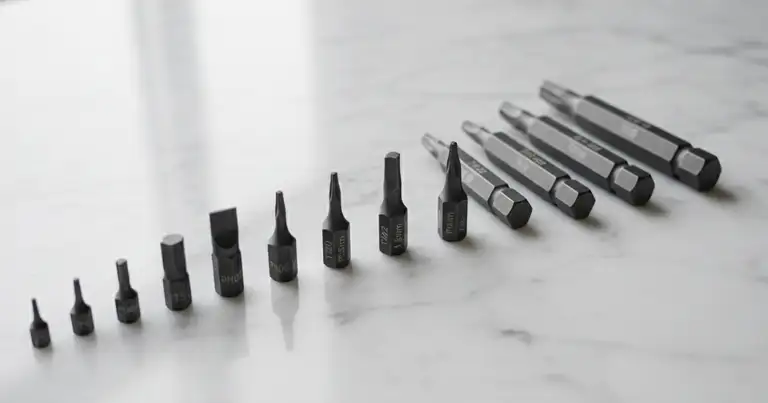
Before we jump into specific sizes, let’s clear up the confusion around how bits are measured. Different screw types use different sizing systems, which is why you’ll see numbers, letters, and sometimes both.
Phillips bits use a simple numbering system from #0 to #4, with #2 being the most common household size. Flathead (slotted) bits are measured by the width of the blade in fractions of an inch or millimeters. Hex bits use measurements in millimeters or inches, while Torx bits have their own “T” numbering system.
The sizing reflects the bit’s tip dimensions—the part that actually engages with the screw head. Using the wrong size won’t just make your work harder; it can strip screw heads, damage materials, and even snap your bit.
Phillips Screwdriver Bit Sizes
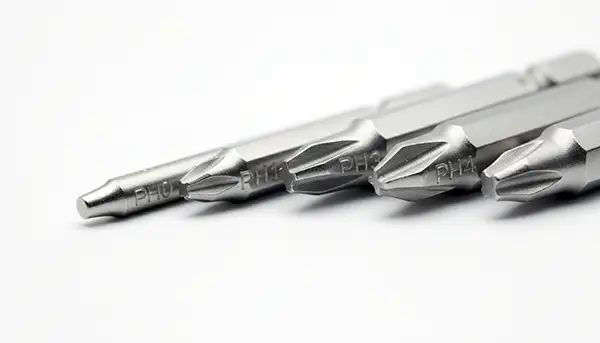
Phillips head screws are everywhere, from electronics to furniture to automotive applications. The cross-shaped recess requires matching bit sizes for proper engagement.
Phillips #0 (PH0)
The smallest commonly used Phillips size works with screws typically found in eyeglasses, small electronics, and delicate instruments. If you’re repairing a smartphone or laptop, you’ll likely need this size.
Phillips #1 (PH1)
Slightly larger than #0, this size handles light-duty applications like small appliances, toys, and electronics enclosures. It’s the go-to for screws in the 2-4mm diameter range.
Phillips #2 (PH2)
Here’s the workhorse. Phillips #2 is the most common screwdriver bit size you’ll encounter in everyday projects. It fits most standard wood screws, drywall screws, and general construction fasteners ranging from #6 to #10 screws.
Every basic bit set should have multiple PH2 bits because you’ll wear them out faster than any other size. Keep several on hand.
Phillips #3 (PH3)
For larger screws and heavy-duty construction work, Phillips #3 handles #12 screws and larger. You’ll use this size in framing, deck building, and other structural applications.
Phillips #4 (PH4)
The largest Phillips size is rarely needed for typical DIY work but appears in industrial applications and very large structural fasteners.
Flathead (Slotted) Screwdriver Bit Sizes
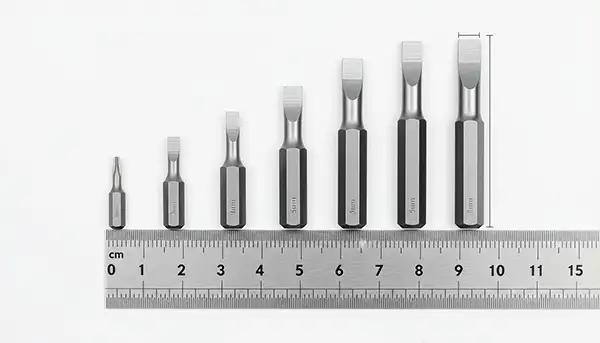
While less common today, flathead screws still appear frequently in electrical work, antique furniture, and certain specialized applications. Flathead bits are measured by blade width and thickness.
Common Flathead Sizes:
- 3mm – Small electronics and precision work
- 4mm – Light electrical switches and outlets
- 5mm – Standard electrical work
- 6mm – General purpose fasteners
- 8mm – Heavy-duty applications
The challenge with flathead bits is that both the width AND thickness must match the screw slot. A bit that’s too narrow will slip, while one that’s too thick won’t seat properly in the slot.
For fractional inch measurements, common sizes include 1/8″, 3/16″, 1/4″, and 5/16″. The 3/16″ size is roughly equivalent to 5mm and is among the most versatile for household use.
Hex Screwdriver Bit Sizes
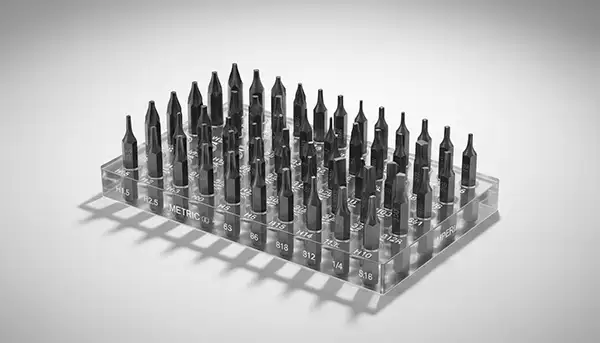
Hex bits (also called Allen bits) fit into hexagonal socket screws. These are increasingly popular in furniture assembly, bicycles, and machinery because they provide excellent torque transfer and resist cam-out.
Metric Hex Sizes (Most Common):
- 1.5mm – Small electronics and precision instruments
- 2mm – Computer hardware and small appliances
- 2.5mm – Electronics and light furniture
- 3mm – IKEA furniture and general assembly
- 4mm – Furniture and light machinery
- 5mm – Heavy furniture and bicycles
- 6mm – Machinery and equipment
- 8mm – Large furniture and industrial applications
Imperial Hex Sizes:
- 1/16″ – Small fasteners
- 5/64″ – Electronics
- 3/32″ – Light applications
- 1/8″ – General purpose (very common)
- 5/32″ – Furniture and bikes
- 3/16″ – Heavy-duty applications
The 4mm metric and 5/32″ imperial sizes are probably the most common in modern furniture assembly. IKEA and other flat-pack furniture manufacturers love these sizes.
Torx Screwdriver Bit Sizes
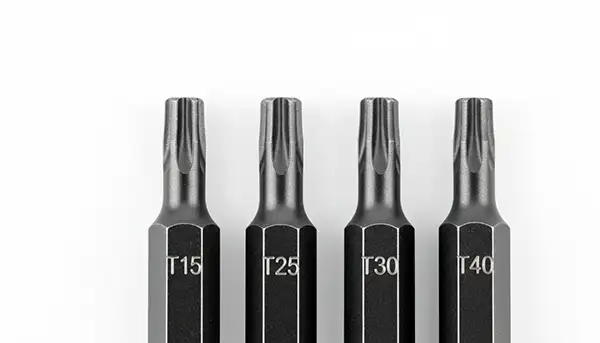
Torx (or star) bits feature a six-pointed star pattern that provides superior torque transfer and virtually eliminates cam-out. They’re becoming increasingly popular in automotive, electronics, and security applications.
Common Torx Sizes:
- T5 – Small electronics, laptops, phones
- T6 – Electronics and hard drives
- T8 – Gaming consoles and computers
- T10 – Automotive electronics and small appliances
- T15 – Automotive and HVAC
- T20 – Automotive and home appliances
- T25 – Automotive and construction (very common)
- T27 – Automotive body work
- T30 – Heavy automotive and construction
- T40 – Large automotive and industrial
Torx T25 is particularly common in modern automotive work, while T15 and T20 appear frequently in appliance repair. If you work on cars or electronics, you’ll want a complete set of Torx bits from T10 through T40.
Tamper-Resistant Torx
Some Torx screws have a pin in the center, requiring special tamper-resistant bits (marked as TR instead of T). These appear in security-sensitive applications and public installations.
Pozidriv Screwdriver Bit Sizes
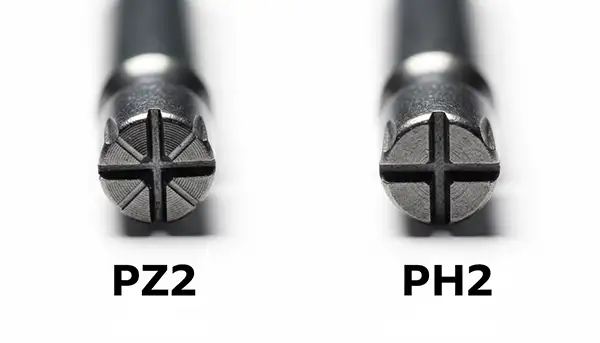
Pozidriv looks similar to Phillips but has additional small lines between the main cross pattern. It’s common in European manufacturing and provides better torque transfer than Phillips.
Common Pozidriv Sizes:
- PZ0 – Small precision work
- PZ1 – Light applications and electronics
- PZ2 – General purpose (most common)
- PZ3 – Heavy-duty construction
- PZ4 – Industrial applications
Never use Phillips bits on Pozidriv screws or vice versa—while they look similar, using the wrong type will damage both the bit and screw head. Pozidriv bits are marked with “PZ” rather than “PH.”
Square (Robertson) Screwdriver Bit Sizes
Popular in Canada and increasingly common in the United States, square-drive (Robertson) bits feature a square recess that provides excellent torque transfer and self-centering properties.
Common Square Drive Sizes:
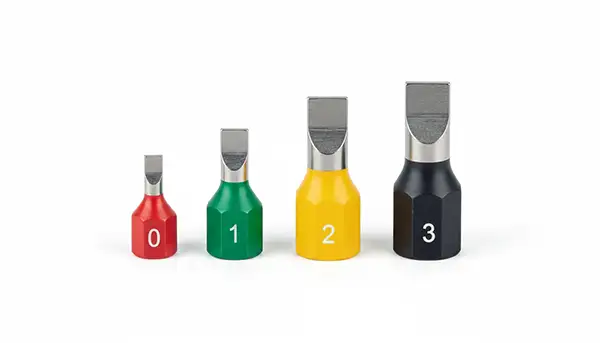
- #0 (Red) – 1/8″ square, small fasteners
- #1 (Green) – 5/32″ square, light work
- #2 (Yellow) – 3/16″ square, general purpose
- #3 (Black) – 1/4″ square, heavy-duty
In Canada, Robertson bits are often color-coded: red (#0), green (#1), yellow (#2), and black (#3). The #2 square drive is extremely common in deck screws and construction fasteners.
Many contractors prefer square drive screws because the bit stays on the screw even without magnetic holders, making one-handed installation much easier.
Specialty Screwdriver Bit Sizes
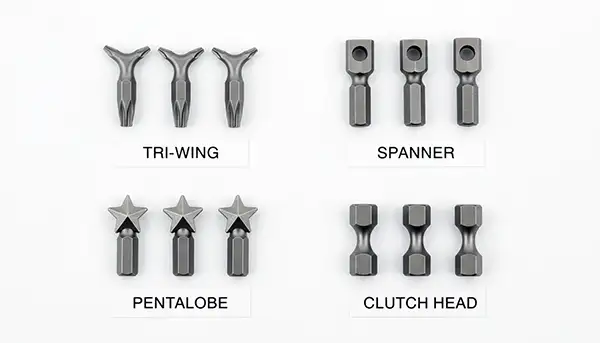
Beyond the common types, several specialty bits handle specific applications.
Tri-Wing
Found in aerospace and electronics, tri-wing bits feature three “wings” radiating from the center. They’re not common in general use but essential for Nintendo products and some aerospace applications.
Spanner (Snake Eyes)
These security bits have two holes and require special bits. Common in public restrooms and tamper-resistant applications.
Pentalobe
Apple uses these five-pointed bits extensively in iPhones, MacBooks, and other products. You’ll need P2, P5, and P6 sizes for Apple device repairs.
Clutch Head (Bow Tie)
Once common in automotive applications, particularly older GM vehicles, clutch head fasteners are less common today but still appear in restoration work.
How to Choose the Right Bit Size
Selecting the correct bit size isn’t just about matching numbers—it’s about ensuring proper fit and engagement.
The Fit Test
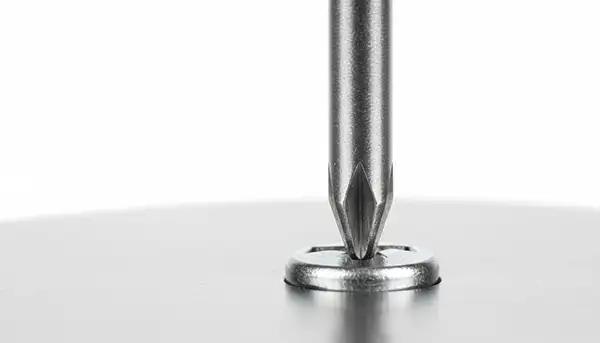
The bit should fit snugly into the screw head with no wiggle room. If you can feel play or movement, the bit is too small. If you have to force it, the bit is too large.
Visual Inspection
For Phillips, Pozidriv, and Torx bits, look at the depth of engagement. The bit should seat fully into the recess without bottoming out before the wings or points fully engage.
The Wobble Check
Insert the bit into the screw (without power) and gently try to wobble it. A properly sized bit should have minimal to no movement in any direction.
Material Matters
Harder materials (like hardwoods or metal) require more precise sizing than softer materials (like softwoods or drywall). A slightly undersized bit might work in pine but strip immediately in oak.
Building Your Essential Bit Collection
You don’t need every size ever made, but having the right core collection makes most projects manageable.
The Starter Set (10 Essential Sizes):
- Phillips #1 – Electronics and light work
- Phillips #2 – General purpose (buy extras!)
- Phillips #3 – Heavy construction
- Flathead 3/16″ (5mm) – Electrical work
- Hex 3mm – IKEA furniture
- Hex 4mm – General furniture assembly
- Torx T15 – Appliances
- Torx T20 – Automotive
- Torx T25 – Automotive (most common)
- Square #2 – Deck screws
The Professional Set (Additional Sizes):
- Phillips #0 for electronics
- Multiple PH2 bits (they wear out)
- Hex sizes: 2mm, 2.5mm, 5mm, 6mm
- Torx T10, T27, T30, T40
- Pozidriv PZ2
- Square #1 and #3
- Specialty bits as needed for your trade
Impact-Rated Versions
For any bit you’ll use with an impact driver, invest in impact-rated versions. These have torsion zones that absorb shock and last much longer under high-torque conditions.
Common Screwdriver Bit Size Mistakes to Avoid
Even experienced users make these errors that lead to stripped screws and damaged bits.
Using Phillips on Pozidriv (or Vice Versa)
They look similar but aren’t interchangeable. Using the wrong type damages both the screw and bit. Always check the marking on your bit.
Forcing the Wrong Size
If a bit doesn’t seat easily, don’t force it. Forcing the wrong size is the number one cause of stripped screw heads. Try the next size up or down instead.
Ignoring Wear
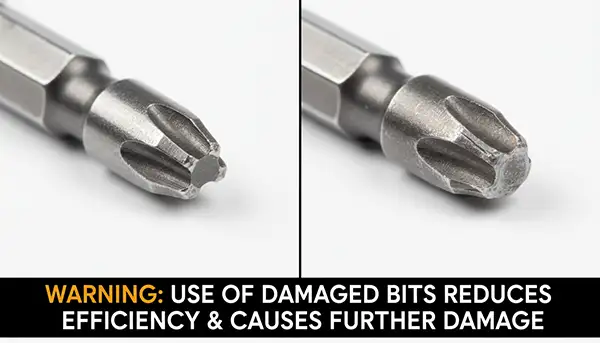
Bits wear down with use, especially the tips. A worn PH2 might actually perform more like a PH1, leading to poor engagement. Replace worn bits promptly.
Mixing Metric and Imperial
A 5mm hex bit and a 3/16″ hex bit look very similar but aren’t quite the same (5mm ≈ 0.197″, while 3/16″ = 0.1875″). Using the wrong measurement system can strip fasteners.
Using Standard Bits in Impact Drivers
Standard bits will break or wear rapidly in impact drivers. Always use impact-rated bits with impact tools, even if the size marking is the same.
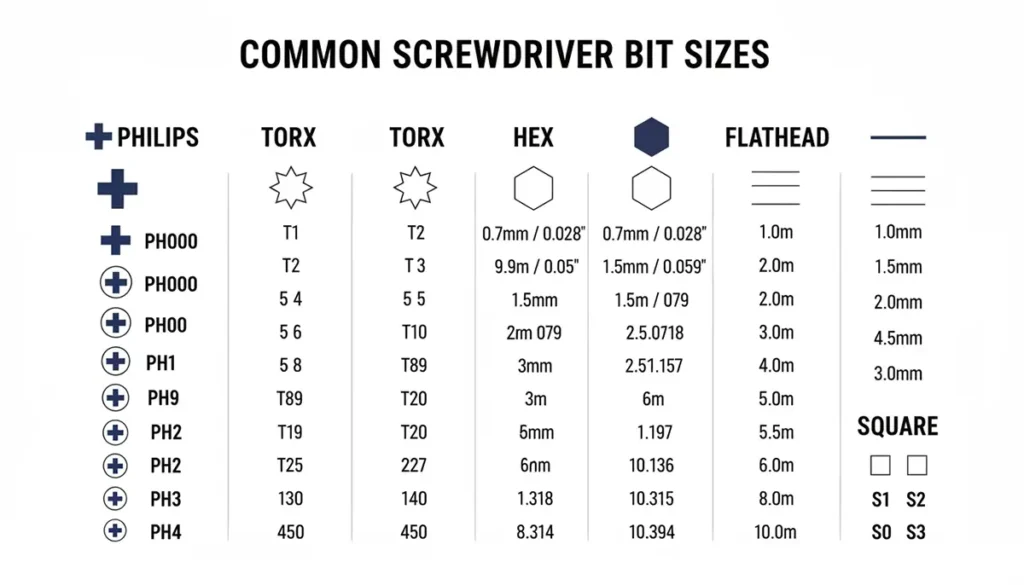
Screwdriver Bit Size Quick Reference Chart
Here’s a handy reference for the most common screwdriver bit sizes explained in one place:
- Phillips: PH0 (precision), PH1 (light), PH2 (standard), PH3 (heavy)
- Flathead: 3mm, 4mm, 5mm (most common), 6mm, 8mm
- Hex Metric: 2mm, 2.5mm, 3mm, 4mm (IKEA), 5mm, 6mm
- Hex Imperial: 1/16″, 5/64″, 1/8″ (common), 5/32″, 3/16″
- Torx: T10, T15, T20, T25 (very common), T27, T30, T40
- Pozidriv: PZ1, PZ2 (standard), PZ3
- Square: #1, #2 (decking), #3
Keep this reference handy in your workshop or garage for quick identification when you encounter an unfamiliar fastener.
Maintaining Your Screwdriver Bits for Longevity

Proper care extends bit life significantly and maintains their effectiveness.
Storage
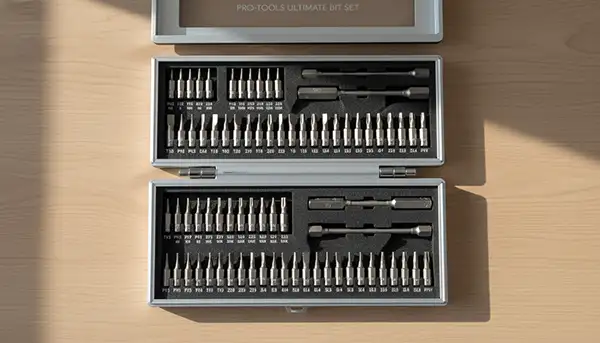
Keep bits organized in a case or magnetic holder rather than loose in a toolbox. This prevents damage to the tips and makes the right size easy to find when you need it.
Cleaning
Wipe bits clean after use, especially when working with treated lumber or in dusty conditions. Built-up debris prevents proper seating and accelerates wear.
Inspection
Regularly check bit tips for rounding, chipping, or other damage. A few seconds of inspection before starting a project can save hours of frustration.
Proper Use
Let your drill or driver do the work—excessive pressure causes overheating and premature wear. If a screw isn’t driving, check your bit size rather than applying more force.
Impact-Rated for Impact Drivers
This bears repeating: only use impact-rated bits in impact drivers. The investment in proper bits pays for itself many times over in reliability and efficiency.
The Bottom Line on Screwdriver Bit Sizes
Understanding common screwdriver bit sizes explained in this guide transforms frustrating projects into smooth, professional work. The right bit makes driving screws effortless, while the wrong size guarantees headaches.
Start with the essential sizes for your most common projects, then expand your collection as you encounter different fasteners. Remember that Phillips #2, Torx T25, and 4mm hex bits handle the majority of household and automotive tasks.
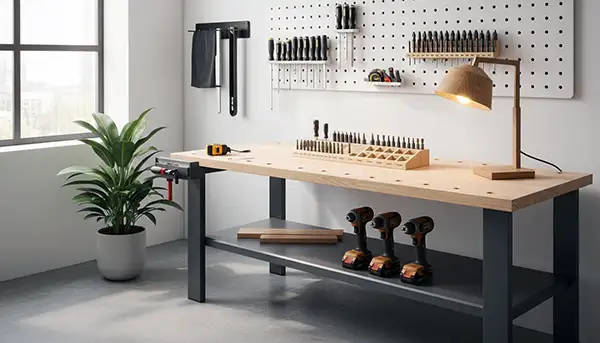
Quality matters as much as size. A premium bit in the correct size outperforms a cheap bit every time, especially when using impact drivers. Invest in impact-rated bits for any high-torque applications.
Keep your bits organized, inspect them regularly, and replace worn bits before they strip screws. With the right sizes on hand and proper care, you’ll tackle any fastening project with confidence.
What screwdriver bit sizes do you reach for most often in your projects? Check more on Amazon. Having the right bits ready to go makes all the difference between a job well done and a frustrating afternoon of stripped screws and multiple hardware store trips.
Related Post: